How to Create a Frog-Friendly Garden Ecosystem Without Perfection
- Katrina Drescher
- May 13
- 3 min read
There’s something magical about hearing frogs in your garden—not just after a heavy rain, but often enough to know they’ve made your space their home. Recently, during a drizzly afternoon, I heard frogs calling from the side beds of my garden. Not at night, but right in the middle of the day. It was one of those quiet moments when a garden feels like it’s giving something back.
You don’t need a perfect pond or a carefully designed wildlife habitat to invite frogs into your garden. In fact, small, simple changes can create a welcoming environment for these amphibians and many other creatures. Here’s how you can build a frog-friendly garden ecosystem without aiming for perfection.
Why Frogs Matter in Your Garden
Frogs play an important role in garden ecosystems. They help control pests by eating insects like mosquitoes, flies, and beetles. Their presence often signals a healthy environment because frogs are sensitive to pollution and habitat loss. When frogs thrive, it means your garden supports a balanced ecosystem.
Creating a space that attracts frogs benefits not only these amphibians but also the overall health of your garden. You’ll notice fewer pests, richer soil, and more biodiversity.
How Undisturbed Soil Supports Frogs and Wildlife
One of the most important factors in attracting frogs is the condition of your garden soil. When soil is frequently dug up, stripped bare, or heavily disturbed, it disrupts the living systems beneath the surface. These include:
Fungal networks that help plants absorb nutrients
Moisture retention that keeps the soil damp
Insect habitats that provide food for frogs
Worm channels that aerate the soil
Microbial life that supports plant health
Leaving soil undisturbed allows it to develop into a living ecosystem. Over time, the soil becomes softer and retains moisture longer. Insects and other small creatures move in, creating a food source for frogs. Mulch and dense planting create tiny microclimates that protect these animals from harsh weather.
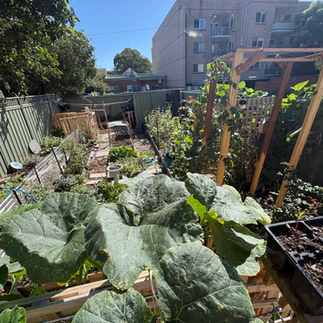
In my garden, many beds have been left untouched for almost a year (can't believe I've been living here for almost a year!). The soil hasn’t been turned over, and the difference is clear. Frogs started calling from these areas during the day, a sign they feel safe and at home.
Simple Steps to Make Your Garden Frog-Friendly
You don’t need a large pond or a perfectly designed native landscape to attract frogs. Small, thoughtful changes can make a big difference. Here are some practical ideas:
Provide Shallow Water Sources
Frogs need water to breed and stay hydrated. Even a shallow dish or a small container filled with water can help. Make sure it’s easy for frogs to get in and out by adding stones or plants around the edges.
Add Leaf Litter and Mulch
Leaving fallen leaves and adding mulch creates shelter and keeps the soil moist. Frogs use these damp, shaded areas to hide from predators and regulate their body temperature.
Create Shaded, Dense Planting Areas
Plant shrubs, grasses, and ground covers close together. Dense planting provides cover and helps maintain humidity, which frogs prefer.
Include Logs and Rocks
Logs and rocks offer hiding spots and basking areas. They also support insects and other small creatures that frogs feed on.
Avoid Chemicals and Pesticides
Frogs are sensitive to chemicals. Avoid using pesticides, herbicides, and synthetic fertilizers in your garden to keep the environment safe for them.



How to Encourage Frogs to Stay Year-Round
Frogs are more likely to stay if your garden offers food, shelter, and water throughout the year. Here’s how to maintain a frog-friendly space in all seasons:
Keep soil moist by mulching and watering during dry spells
Leave leaf litter and fallen branches through winter for shelter
Plant native species that support local insects and provide natural cover
Maintain shallow water sources and clean them regularly to prevent mosquito larvae buildup
Avoid disturbing the soil and garden beds especially during breeding seasons
By creating a stable environment, you help frogs survive and thrive even in urban or suburban gardens.
What to Expect When Frogs Move In
Once frogs start visiting your garden, you’ll notice changes:
More insect activity as frogs hunt for food
A quieter, more balanced garden ecosystem
The soothing sound of frog calls, especially after rain or during damp weather
Frogs may not appear overnight, but with patience and care, your garden will become a welcoming habitat. The key is to let nature take its course without trying to control every detail.
Building a frog-friendly garden ecosystem doesn’t require perfection or a big budget. It’s about creating conditions where frogs and other wildlife can find food, shelter, and water. By leaving soil undisturbed, adding simple features like shallow water dishes and mulch, and avoiding chemicals, you invite frogs to make your garden their home.
Kat


Comments