Why Starting an Edible Garden Makes Sense Right Now
- Katrina Drescher
- Jan 16
- 3 min read
Growing your own food at home doesn’t have to mean becoming self-sufficient or turning your backyard into a full vegetable plot. For many people, starting an edible garden begins much more simply — a few herbs, some leafy greens, or a small raised bed.
Even a modest edible garden can change the way you think about food, space, and everyday living.
With grocery prices rising and many households feeling the pressure of cost of living, growing food at home is becoming less of a hobby and more of a practical, thoughtful choice. An edible garden offers a way to reconnect with what you eat, reduce reliance on store-bought produce, and make better use of the space you already have — even in small gardens, courtyards, or balconies.
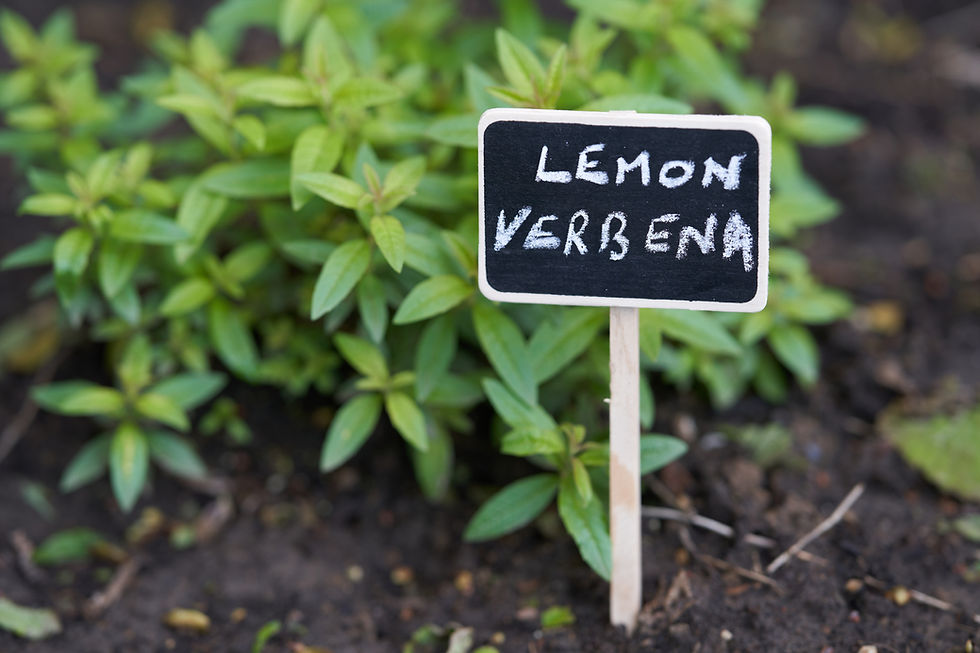
More Than Just Growing Food
An edible garden isn’t only about saving money, though that’s often part of the appeal. It’s also about freshness, quality, and understanding where food comes from.
A well-planned edible garden can:
reduce grocery costs over time
provide fresher, better-tasting food
help children understand how food is grown
encourage time outdoors and hands-on learning
support healthier soil and local ecosystems
For many families, growing food at home becomes part of daily life — something that feels grounding rather than demanding.
Edible Gardens Work in Small Spaces Too
You don’t need a large backyard to start growing your own food.
Balcony gardens, courtyards, raised beds, and compact outdoor spaces can all support productive edible planting when they’re planned with intention. In fact, small-space edible gardens often benefit most from thoughtful design — choosing plants suited to light, wind, and available space, rather than trying to grow everything.
The aim isn’t maximum output. It’s growing food you’ll actually use and enjoy.
Why Planning an Edible Garden Matters
Many people try to grow vegetables once or twice, struggle, and decide gardening isn’t for them. Often, the issue isn’t effort or interest — it’s that the garden wasn’t suited to the space, the conditions, or the person tending it.

Thoughtful edible garden planning helps:
match plants to your environment and lifestyle
prioritise soil health from the start
avoid unnecessary maintenance and complexity
create a garden that grows steadily over time
When edible gardens are designed this way, they’re easier to maintain and far more rewarding.
A Regenerative Approach to Growing Food
Edible gardens can also play a role in improving soil health and supporting local biodiversity.
By focusing on regenerative gardening principles — building healthy soil, working with natural systems, and choosing plants suited to local conditions — gardens become more resilient over time. They require fewer inputs, support beneficial insects, and contribute to healthier outdoor spaces, even in urban environments.
Growing food at home doesn’t need to be intensive or extractive. It can be gentle, practical, and sustainable.
Starting Where You Are
You don’t need to have everything figured out to begin growing food.
Many edible gardens start small and evolve over time, shaped by experience, confidence, and changing needs. Whether you’re growing herbs on a balcony, setting up raised beds, or planning a family food garden, the most important thing is starting in a way that feels realistic and achievable.
An edible garden doesn’t need to be impressive or perfect. It just needs to suit your space, your lifestyle, and the way you live.
If you’re interested in creating an edible garden tailored to your home — whether that’s a balcony, courtyard, or backyard — you can explore my edible garden planning and setup services her
e (just select your garden size)
Happy gardening!
Kat


Comments